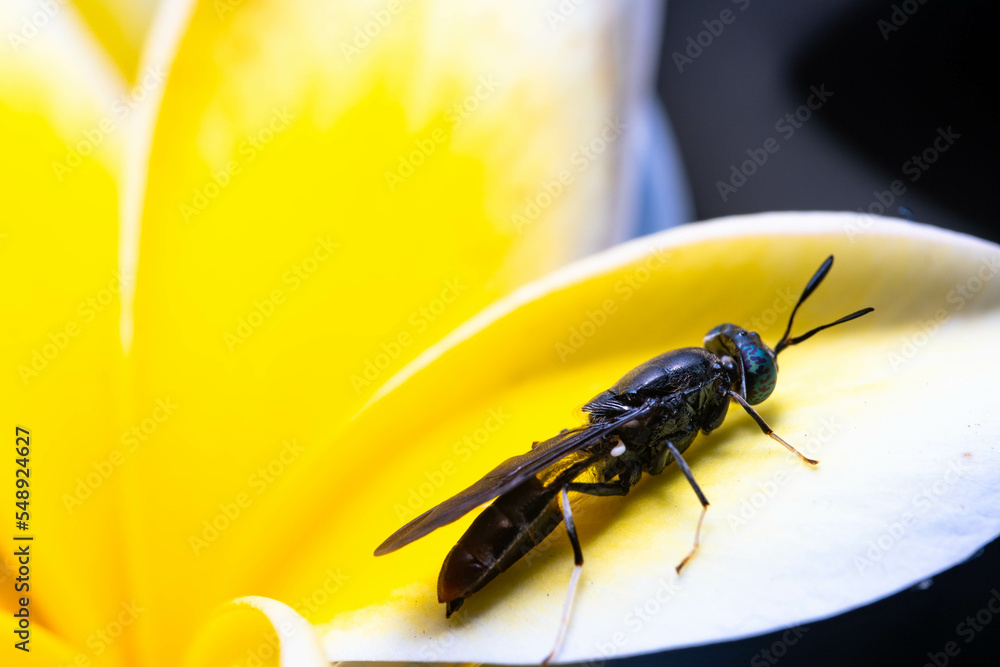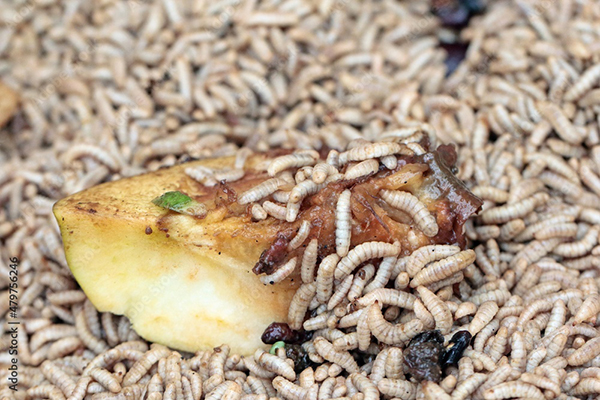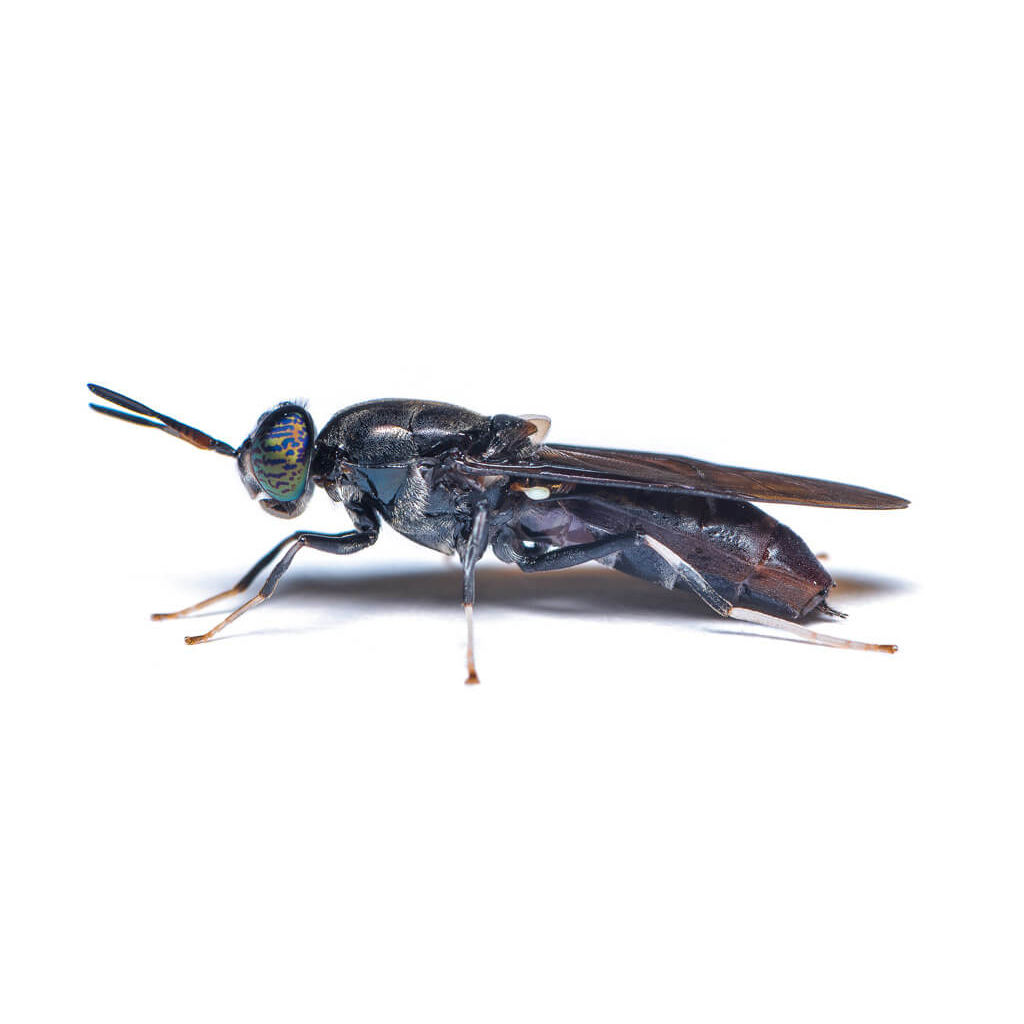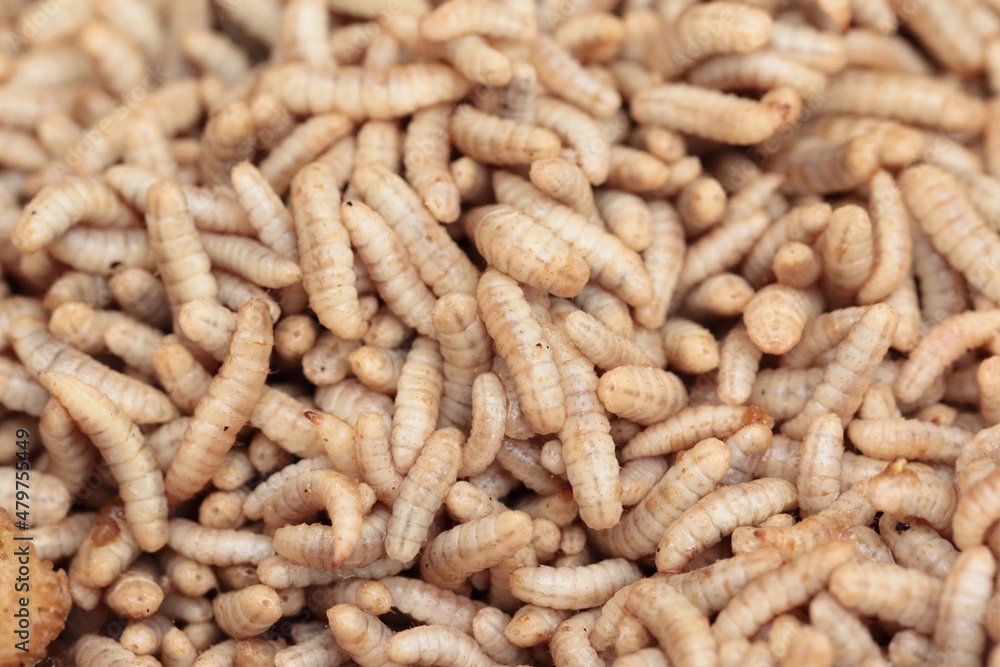
کنجاله لارو مگس سرباز سیاه جایگزین پودر ماهی
فهرست مطلب
به گفته محققین، کنجاله لارو مگس سرباز سیاه در صورت استفاده به عنوان جایگزین جزئی پودر ماهی، ممکن است در رشد و تولید میگوی پرورشی حمایت کند.
تیمی از محققان دانشگاه ایالتی کنتاکی و خدمات تحقیقات کشاورزی وزارت کشاورزی ایالات متحده (USDA) استفاده از آرد لارو مگس جامد سیاه (BSFLM) را در رژیم غذایی میگوهای سفید پرورشی اقیانوس آرام مورد بررسی قرار دادند. این گروه یافته های خود را در مجله Aquaculture منتشر کرد
به گفته محققان، این وعده غذایی مورد بررسی قرار گرفت زیرا جایگزین های پروتئین گیاهی در جایگزینی پودر ماهی (FM) در رژیم غذایی میگو کاملاً موفق نبوده است. کنجاله حشرات همچنین نتایج امیدوار کننده ای در سایر رژیم های غذایی سخت پوستان ایجاد کرده است.
کارل وبستر، مدیر و رهبر تحقیقات مرکز ملی تحقیقات آبزی پروری هری کی دوپری اشتوتگارت و نویسنده مسئول، گفت: تحقیق در مورد روش های کارآمدتر برای تولید غذا در یک فضا بسیار مهم است. او افزود: «از آنجایی که میزان زمین روی زمین در حال افزایش نیست، به حداکثر رساندن تولید در زمین های موجود مهم خواهد بود.»
او گفت که تحقیق در زمینه کشاورزی یکی از راه های بهبود تولید غذا و امنیت غذایی است. در ایالات متحده، مشخص شده است که به ازای هر 1 دلاری که توسط ARS USDA برای تحقیقات خرج می شود، حدود 17 دلار برای اقتصاد تولید می شود.
او به FeedNavigator گفت: "من همیشه نیاز به ارزیابی مواد پروتئینی جایگزین در جیره های آبزی پروری را دیده ام - من یکی از اولین محققانی بودم که تقریباً 30 سال پیش دانه های خشک شده با مواد محلول (DDGS) را در رژیم غذایی ماهی به طور سیستماتیک ارزیابی کردم." از آنجایی که پودر ماهی (FM) مغذیترین ماده در رژیم غذایی آبزی پروری است، اما همچنین گرانترین ماده کلان است، کاهش یا حذف گنجاندن آن در رژیم غذایی ماهی/میگو بسیار مهم است.
به گفته محققان، این گروه تولید میگو و ترکیب بدن را با ماده پروتئینی جایگزین پشتیبانی میکردند، زمانی که در سطوح معین یا کمتر از آن استفاده میشد.
محققان میگویند: «نتایج کنونی بینشی درباره محدودیتهای فعلی استفاده از کنجاله لارو مگس لحیم سیاه در میگوی سفید و راههای احتمالی جایگزینی پودر ماهی حشرات در رژیمهای غذایی آبزی پروری نشان میدهد.» "با اصلاحات دقیق در فرمول های رژیمی که شامل وعده غذایی BSFL می شود، ممکن است افزایش سطح گنجاندن در رژیم غذایی میگوی سفید اقیانوس آرام امکان پذیر باشد."
چرا کنجاله لارو مگس جامد سیاه؟
وبستر گفت: با نگاهی به آینده، آبزی پروری یکی از راه های رفع نیازهای پروتئینی جمعیت فزاینده جهانی خواهد بود، اما موانعی نیز برای تولید گسترده وجود دارد. وی افزود: یکی از این موارد، تدوین رژیمهای غذایی مقرونبهصرفه، مغذی و سازگار با محیطزیست برای تغذیه ارگانیسمهای پرورشیافته است.
وی گفت: علاوه بر این، بعید است که مقدار پودر ماهی تولید شده افزایش یابد، بنابراین باید منابع پروتئینی دیگری را در نظر گرفت.
او گفت که کنجاله سویا پروتئینی است که به طور گسترده در جیره های آبزی پروری مورد استفاده قرار می گیرد، اما استفاده گسترده از این ماده با چالش هایی مواجه است. او گفت که این مقدار متیونین و لیزین را کاهش می دهد، حاوی عوامل ضد تغذیه ای مانند مهارکننده های تریپسین و اسید فیتیک است و می تواند یک رژیم غذایی را کمتر خوش طعم کند. او گفت که سایر پروتئین های گیاهی مانند کنجاله پنبه دانه، کنجاله کانولا و کیک دانه خردل نیز در صورت استفاده به عنوان تنها منبع پروتئین، چالش هایی را ایجاد می کنند.
ترکیبات حیوانی (آب گوشت، غذای فرعی طیور، کنجاله خوک) انعطاف پذیری بیشتر و سطوح گنجاندن بالاتری را در رژیم غذایی برای بسیاری از گونه های ماهی ارائه می دهند و می توانند با مواد پروتئینی گیاهی برای تکمیل ترکیبات مغذی رژیم غذایی فرموله شده استفاده شوند. با FM،" وبستر گفت. با این حال، ارزیابی مواد پروتئینی جدید مهم است، زیرا قیمت کالاها می تواند افزایش یابد
او گفت که اگر محصولات خیلی گران شوند، تولیدکنندگان باید مواد جایگزین را به راحتی در دسترس داشته باشند. بنابراین، انگیزه ای برای آزمایش تغذیه ما با استفاده از کنجاله لارو مگس سیاه سرباز در رژیم غذایی برای میگوی سفید. هیچ کس قبلاً این ماده را برای استفاده در رژیم غذایی میگو ارزیابی نکرده بود.»
او گفت که این ماده پروتئین بالایی دارد، تعادل اسید آمینه خوبی دارد و اگر چربی زدایی شود، سطح لیپید کمتری در حدود 6 تا 15 درصد به جای 25 تا 35 درصد BSFLM فرآوری نشده دارد.
جزئیات مطالعه
به گفته محققان، در این مطالعه، شش رژیم غذایی برای یک دوره 63 روزه به میگوها داده شد. این رژیمها شامل یک کنترل ساخته شده با پودر ماهی و کنجاله سویا، و آن رژیم غذایی با افزایش مقادیر BSFLM، جایگزین پودر ماهی در 20، 40، 60، 80 و 100 درصد بود.
به گفته محققان، میگو در روز 63 جمع آوری شد و از نظر وزن نهایی، افزایش وزن، نرخ رشد ویژه، مصرف خوراک، ضریب تبدیل خوراک و درصد بقا مورد ارزیابی قرار گرفت. پروفایل اسید آمینه رژیم غذایی نیز مورد ارزیابی قرار گرفت.
نتایج
به گفته محققان، اگر مقدار BSFLM کمتر از 25 درصد رژیم غذایی نگه داشته شود، 95 تا 100 درصد از پاسخ های رشد شامل وزن نهایی، افزایش وزن، نرخ رشد ویژه (SGR) و تبدیل غذا می تواند حفظ شود. "به طور مشابه، 95٪ یا بیشتر از حداکثر پروتئین کل بدن و محتوای چربی می تواند به دست آید که گنجاندن BSFL به ترتیب به [کمتر از] 29٪ و 15٪ محدود شود.
" گفتند.
آنها گفتند که BSFLM محتوای چربی و رطوبت بالاتری داشت، اما سطح پروتئین و خاکستر را در مقایسه با پودر ماهی کاهش داد. اکثر اسیدهای آمینه ضروری نیز به جز هیستیدین و تیروزین کمتر بودند.
آنها گفتند که بقای میگو و مصرف خوراک برای همه رژیم ها مشابه بود. با این حال، وزن نهایی میگو، درصد افزایش وزن، SGR و تبدیل خوراک با جایگزینی پودر ماهی بیشتر کاهش یافت.
وبستر گفت: «از آنجایی که این اولین مطالعه برای ارزیابی BSFLM در رژیم غذایی میگوی سفید بود، روند رشد نزولی با افزایش افزودن BSFLM من را ناامید نکرد. جیرههای غذایی برای برآوردن نیازهای اسید آمینه ضروری میگو فرموله شدهاند، اما هیچ اطلاعات قابلیت هضم BSFLM در میگو وجود ندارد، بنابراین نتایج لزوماً غیرمنتظره نبودند.
او گفت که آزمایش تغذیه تنها یک گام اولیه در ارزیابی مداوم بود. وی افزود: گام بعدی ما استفاده از داده های به دست آمده از این مطالعه و اصلاح فرمول های رژیم غذایی است.
او گفت: "داده های مطالعه دوم باید بر اساس نتایج مطالعه اول باشد." "این باید تصویر واضح تری از مناسب بودن BSFLM در رژیم غذایی میگو و احتمالاً رژیم غذایی برای سایر گونه های آبزی پروری، به ویژه گونه های ماهی گوشتخوار مانند ماهی آزاد، باس و گونه های دریایی ارائه دهد."
منبع: آبزی پروری
عنوان: ارزیابی کنجاله لارو مگس سرباز سیاه (Hermetia illucens) به عنوان جایگزین جزئی یا کامل پودر ماهی دریایی در رژیم غذایی عملی برای میگوی سفید اقیانوس آرام (Litopenaeus vannamei)
DOI: 10.1016/j.aquaculture.2017.02.022
نویسندگان: V. Cummins Jr, S. Rawlesb, K. R. Thompsona, A. Velasqueza, Y Kobayashia, J Hagera, C D. Websterb
Black solider fly larva meal may support growth and production of farmed shrimp, if used as a partial fishmeal replacement, says researcher.
A team of researchers from Kentucky State University and the US Department of Agriculture’s (USDA) Agricultural Research Service (ARS) examined the use of black solider fly larva meal (BSFLM) in the diets of farmed Pacific white shrimp. The group published its findings in the journal Aquaculture.
The meal was examined because plant-based protein alternatives have not been completely successful in replacing fishmeal (FM) in shrimp diets, the researchers said. The insect meal also has generated promising results in other crustacean diets.
It is important to research more efficient ways to produce food in a space, said Carl Webster, director and research leader at the Harry K Dupree Stuttgart National Aquaculture Research Center and corresponding author. “Since the amount of land on Earth isn’t increasing, it will be important to maximize production on available land,” he added.
Research into agriculture is one way to improve food production and food security, he said. In the US, it has been found that for every $1 spent on research by the USDA’s ARS, about $17 has been generated for the economy.
“I have always seen a need for evaluating alternative protein ingredients in aquaculture diets – I was one of the first researchers to systematically evaluate distiller’s dried grains with solubles (DDGS) in fish diets almost 30 years ago,” he told FeedNavigator. “Since fishmeal (FM) is the most nutritious ingredient in an aquaculture diet, but is also the most expensive macro ingredient, it is important to reduce or eliminate its inclusion in fish/shrimp diets.”
The group saw shrimp production and body composition supported with the alternative protein ingredient, when it was used at or below certain levels, said the researchers.
“The current results give insight into current limitations of using black solder fly larvae meal in white shrimp and possible avenues of expanding insect meal replacement of fishmeal in aquaculture diets,” said the researchers. “With judicious modifications to diet formulations which include BSFL meal, increased inclusion levels may be possible in diets for Pacific white shrimp.”
Why black solider fly larva meal?
Looking forward, aquaculture will be one way to address the protein needs of an increased global population, but there also are obstacles that remain to widespread production, said Webster. “One of these is to formulate economical, nutritious, environmentally-responsible diets to feed cultured organisms,” he added.
Additionally, it is unlikely that the amount of fishmeal produced will increase, so other protein sources need to be considered, he said.
Soybean meal is a widely-used protein in aquaculture diets, but there are some challenges to extensive use of that ingredient, he said. It has reduced amounts of methionine and lysine, contains anti-nutritional factors, like trypsin inhibitors and phytic acid, and can make a diet less palatable, he said. Other plant-based proteins, such as cottonseed meal, canola meal and mustard seed cake, also present challenges when used as the only protein source, he said.
“Animal-source ingredients (meat meal, poultry by-product meal, porcine meal) offer more flexibility and higher inclusion levels in diets for many fish species, and can be used with plant-protein ingredients to compliment the nutrient composition of a diet formulated with FM,” said Webster. “However, it is important to evaluate new protein ingredients since commodity prices can increase.”
If products become too expensive, producers need to have alternative ingredients readily available, he said. “Thus, the impetus for our feeding trial using black soldier fly larval meal in diets for white shrimp; no one had previously evaluated the ingredient for use in shrimp diets.”
The ingredient is high in protein, has a good amino acid balance and, if defatted, a lower lipid level at about 6-15% instead of the 25-35% of unprocessed BSFLM, he said.
Study details
In the study, six diets were fed to shrimp for a period of 63 days, said the researchers. The diets included a control made with fishmeal and soybean meal, and that diet with increasing amounts of BSFLM, replacing fishmeal at 20%, 40%, 60%, 80% and 100%.
Shrimp were collected on day 63 and evaluated for final weight, weight gain, specific growth rate, feed intake, feed conversion ratio and percent survival, said the researchers. Dietary amino acid profile also was assessed.
Results
If the amount of BSFLM was kept below 25% of the diet, then 95-100% of the growth responses including final weight, weight gain, specific growth rate (SGR) and food conversion could be maintained, said the researchers. “Similarly, 95% or greater of maximum whole-body protein and lipid content could be achieved when BSFL inclusion was restricted to [less than] 29% and 15%, respectively,
” they said.
BSFLM had a higher lipid and moisture content, but reduced levels of protein and ash compared to fishmeal, they said. Most essential amino acids also were lower, except for Histidine and Tyrosine.
Shrimp survival and feed intake was similar for all diets, they said. However, shrimp final weight, percent weight gain, SGR and feed conversion declined as more fishmeal was replaced.
“As this was the first study to evaluate BSFLM in white shrimp diets, the downward growth trend with increasing BSFLM addition did not disappoint me,” said Webster. “The diets were formulated to meet the essential amino acid requirements of shrimp, but there is not any digestibility data for BSFLM in shrimp so the results were not necessarily unexpected.”
The feeding trial was just an initial step in the ongoing evaluation, he said. “Our next step is to utilize the data obtained from this study and refine the diet formulations,” he added.
“Data from the second study should build upon the results from the first,” he said. “This should give a more clear picture of the suitability for BSFLM in shrimp diets, and possibly diets for other aquaculture species, especially carnivorous fish species such as salmon, bass, and marine species.”
Source: Aquaculture
Title: Evaluation of black soldier fly (Hermetia illucens) larvae meal as partial or total replacement of marine fish meal in practical diets for Pacific white shrimp (Litopenaeus vannamei)
DOI: 10.1016/j.aquaculture.2017.02.022
Authors: V. Cummins Jr, S. Rawlesb, K. R. Thompsona, A. Velasqueza, Y Kobayashia, J Hagera, C D. Websterb